01
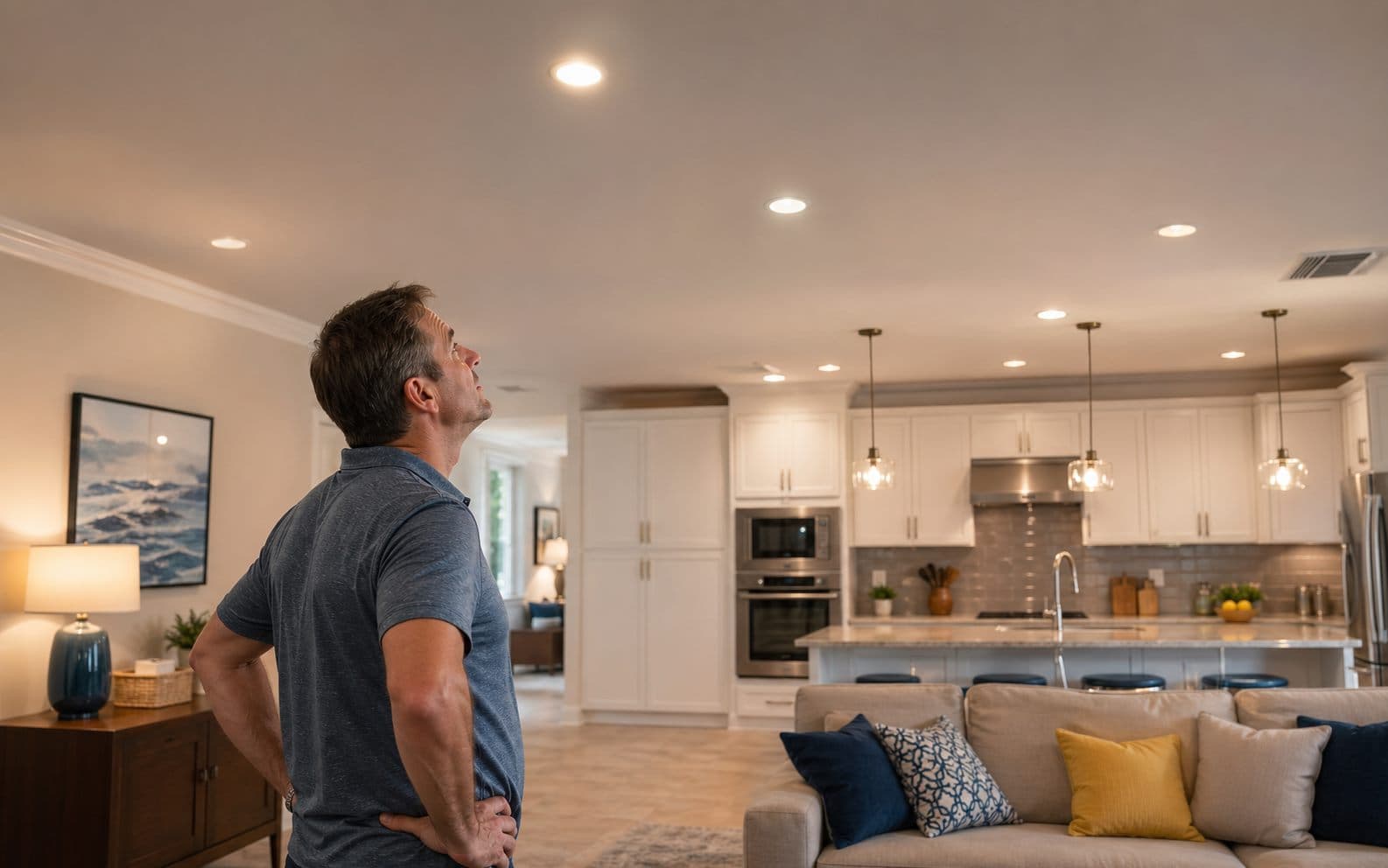
Dimming or flickering lights
When lights dip as appliances start, your panel may be struggling with demand or loose connections.
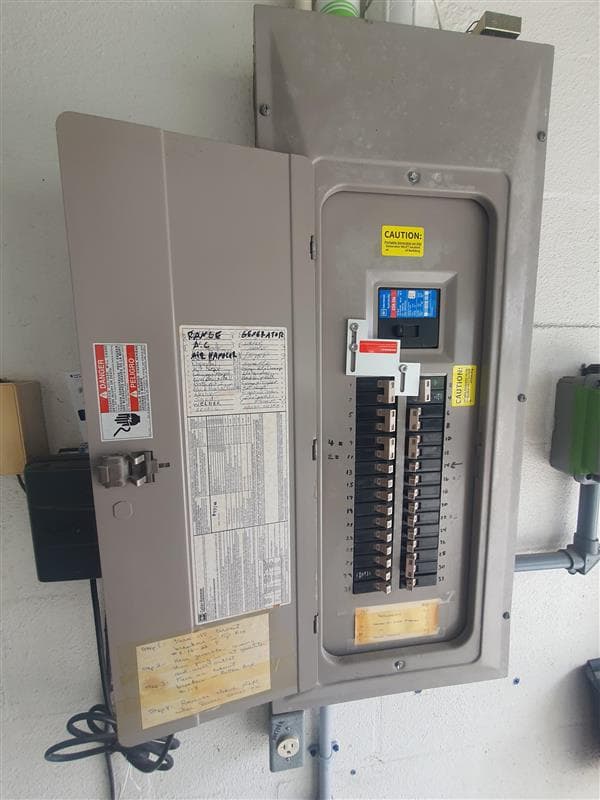
Aging or overloaded panels can struggle with modern electrical demand. A free Home Safety Check helps find hidden heat, corrosion, and loose connections early.
Flickering lights, tripped breakers, heat, or corrosion can mean your panel is under stress. A complimentary Home Safety Check gives you clear answers before you commit to repair or replacement.
When lights dip as appliances start, your panel may be struggling with demand or loose connections.
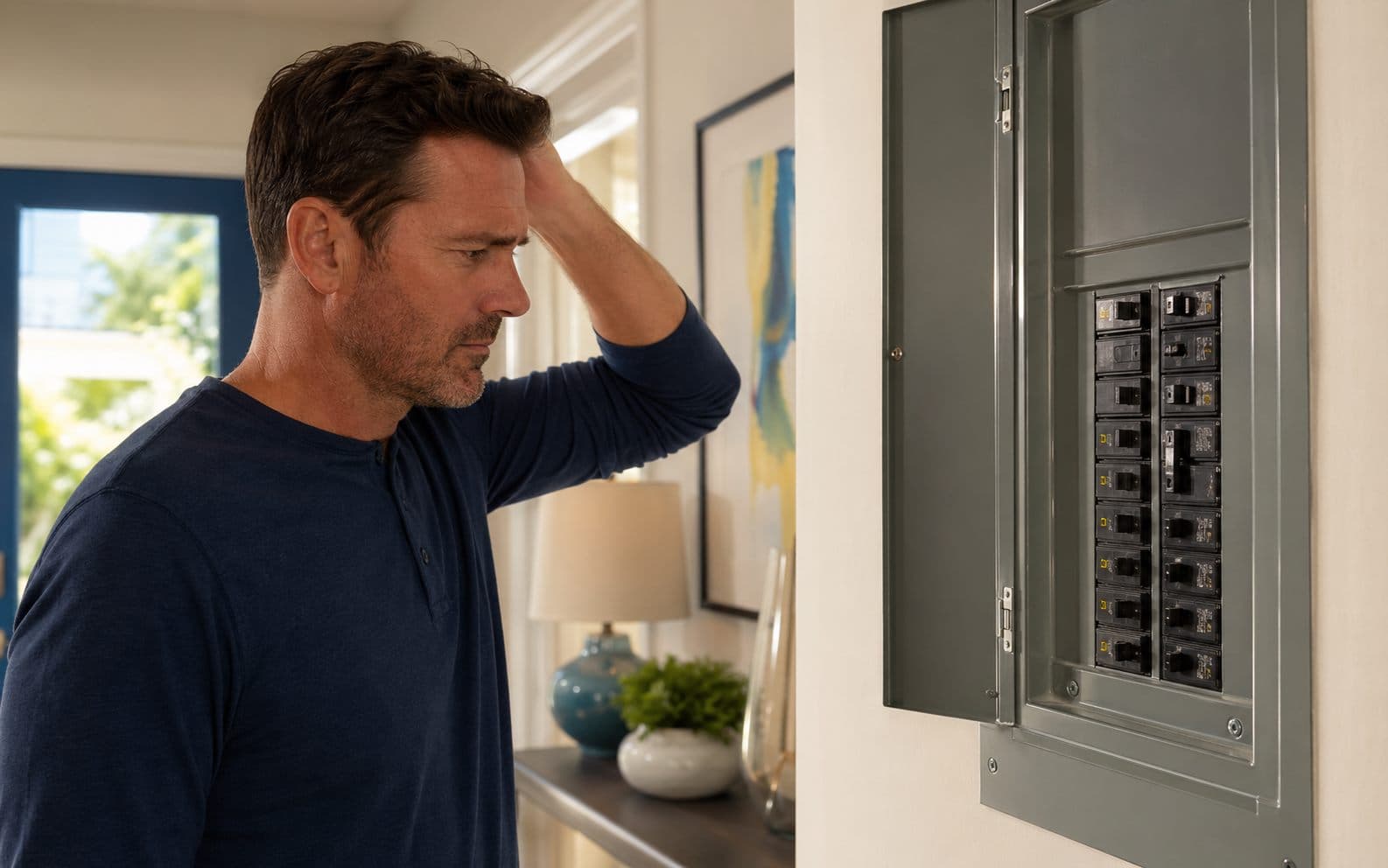
Repeated trips can point to overloads, failing breakers, or a circuit that needs diagnosis.
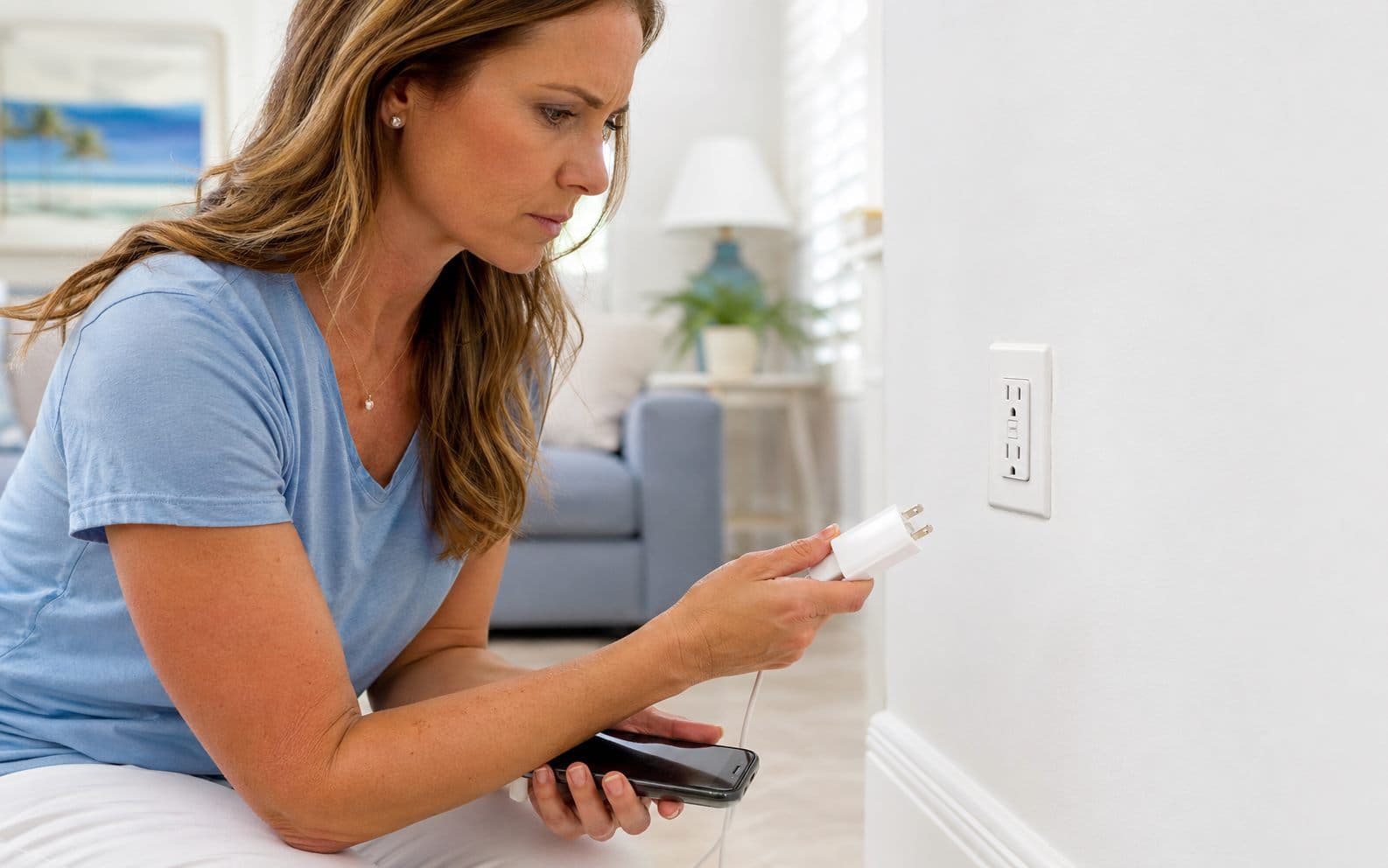
Dead or intermittent outlets can trace back to a failed device, wiring issue, or upstream panel problem.

Power fluctuations can shorten the life of electronics, appliances, chargers, and smart-home equipment.
What you see vs. what we see
A visual check matters, but the real risk can be hidden at a connection until heat, corrosion, or breaker damage gets worse.
What you see
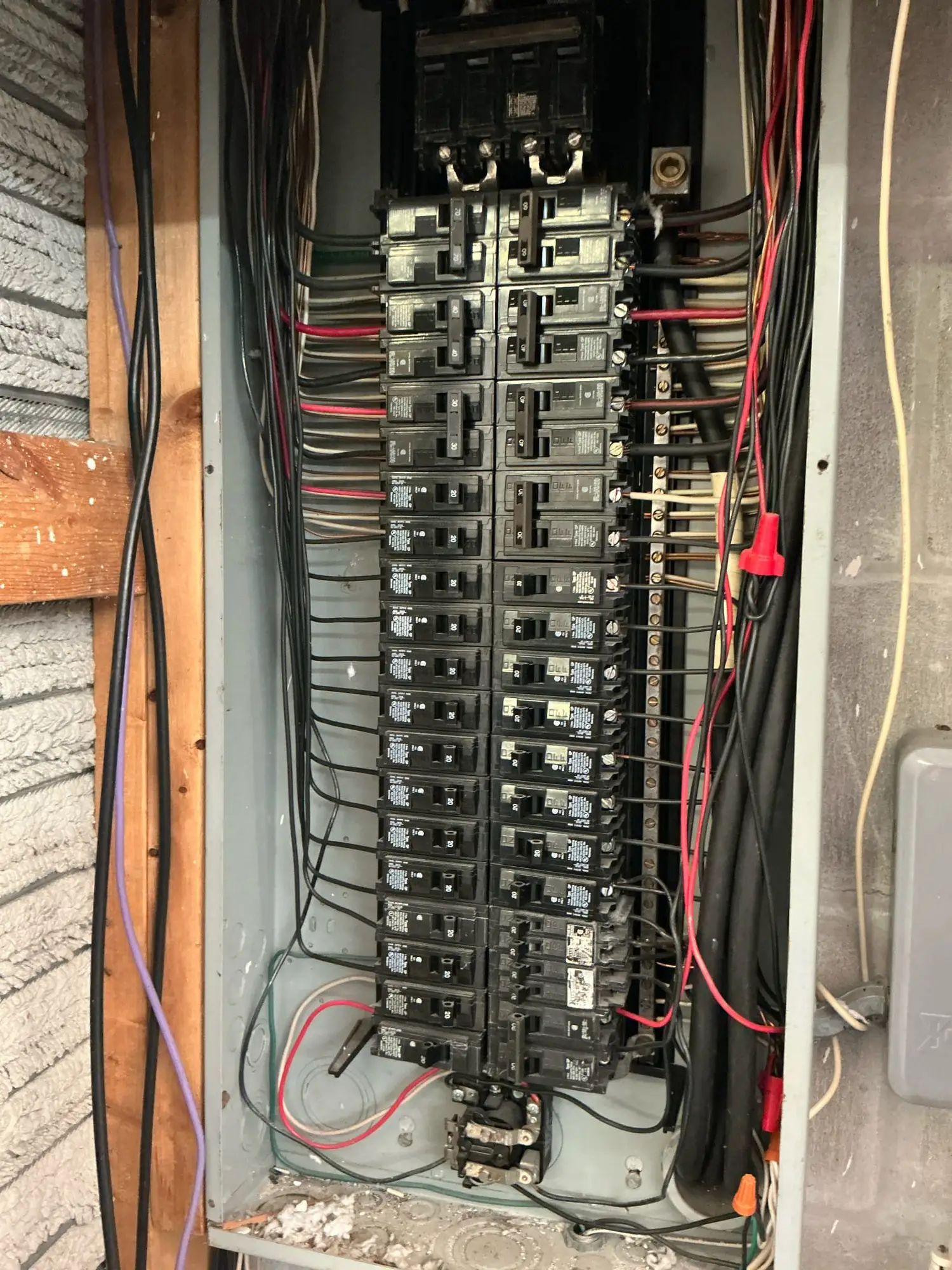
From the outside, the panel may simply look older or crowded. The warning signs are not always obvious to a homeowner.
What we see
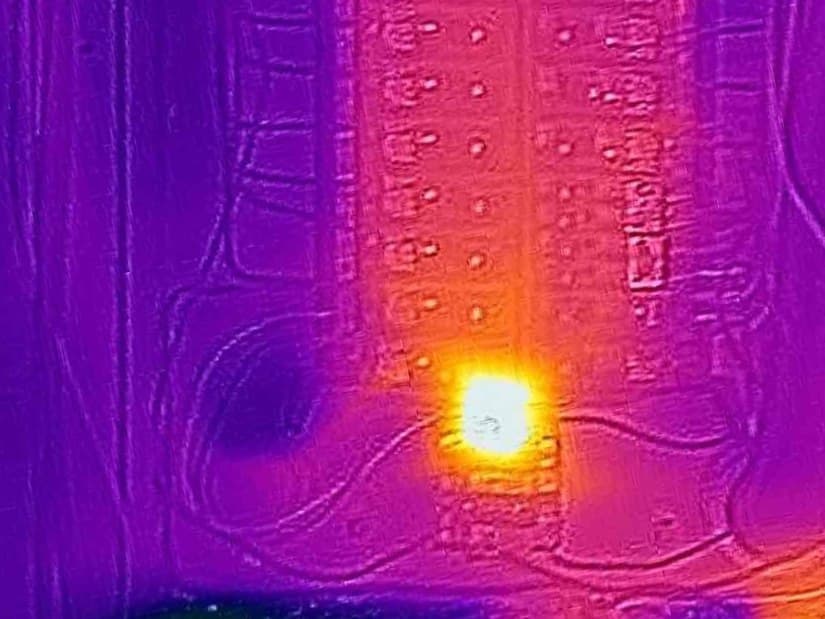
Thermal-style inspection can reveal heat at a loose or failing connection before it becomes a larger safety issue.
Compare the choice
A panel can appear ordinary while heat builds at a dangerous connection. The goal is to find those risks before they become a fire hazard.
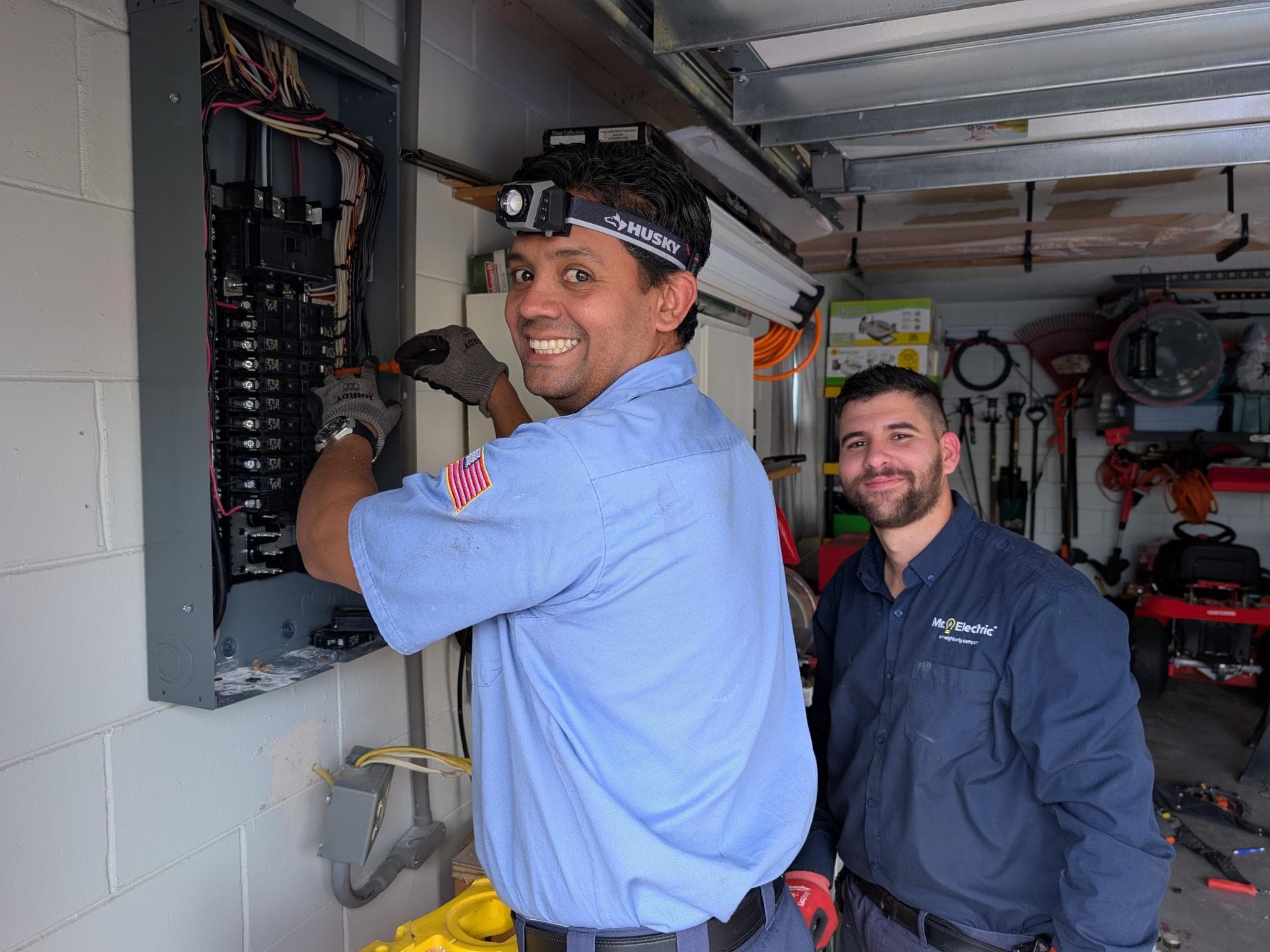
Local panel service call
Real field work
Use these field photos as a quick guide to the panel problems Winter Haven homeowners should not ignore. Heat, corrosion, nuisance trips, and aging equipment can all point to a panel that needs a licensed electrician.
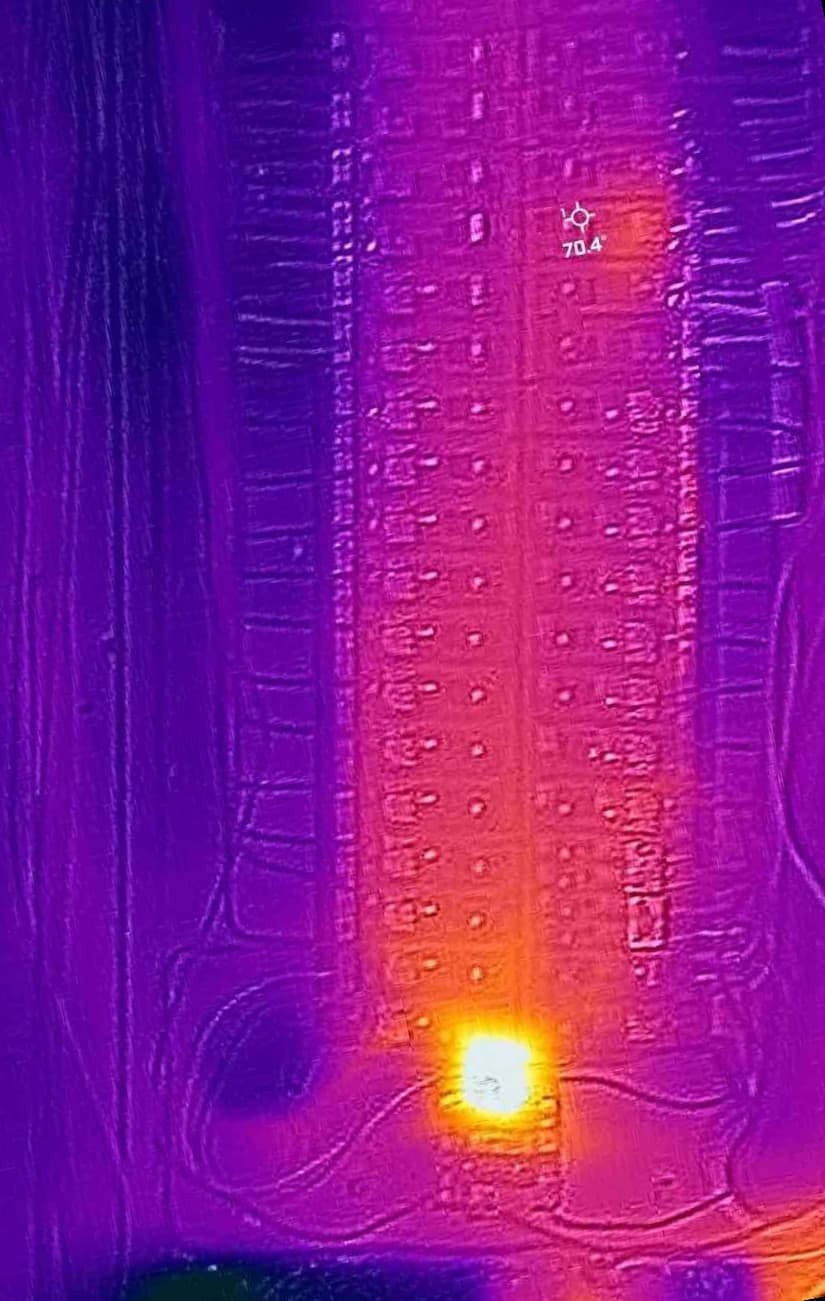
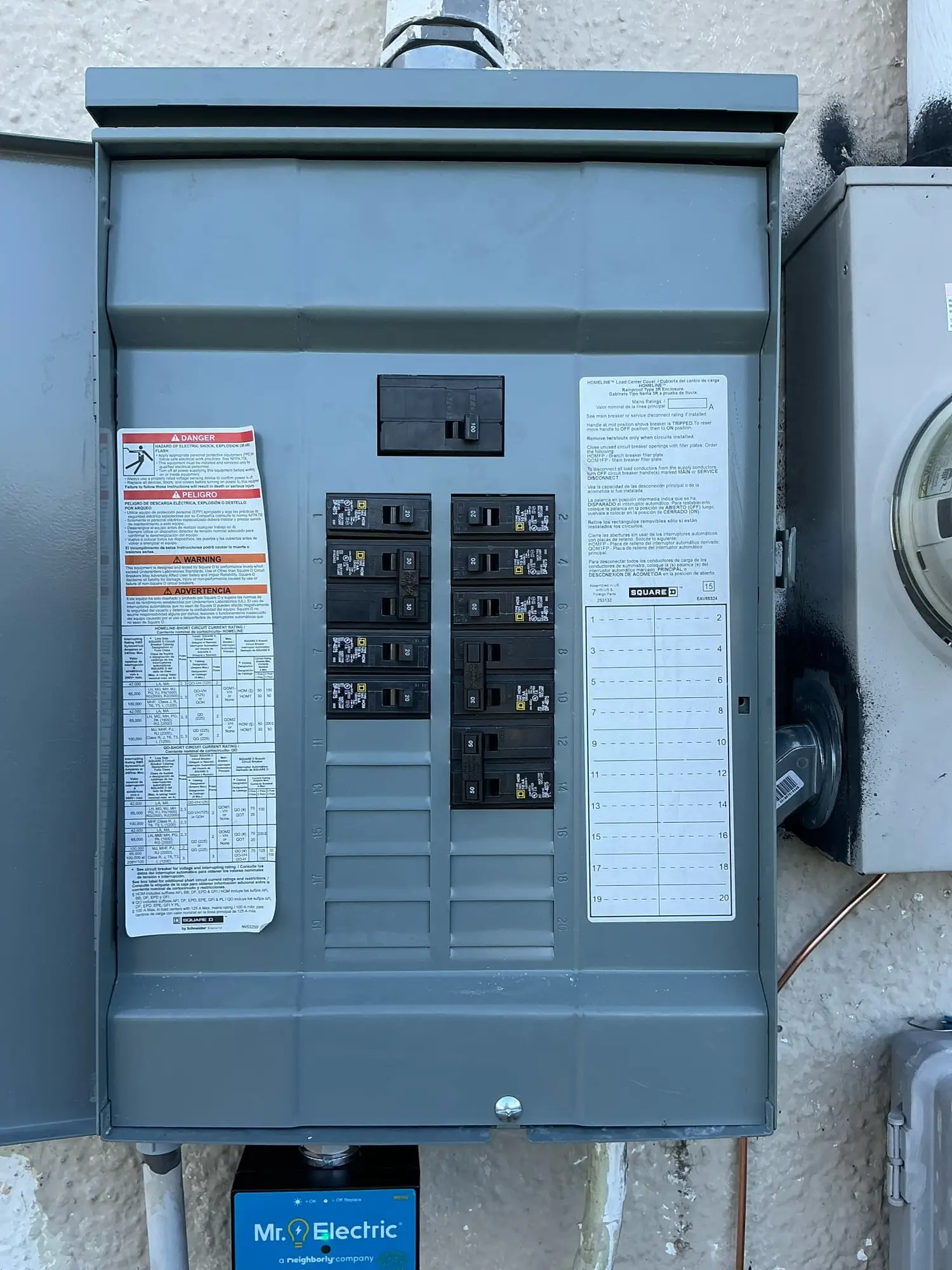
Photo guide
These photos highlight visible warning signs that can point to deeper electrical risk. If any look familiar, a Home Safety Check can confirm whether the panel needs repair, replacement, or an upgrade.
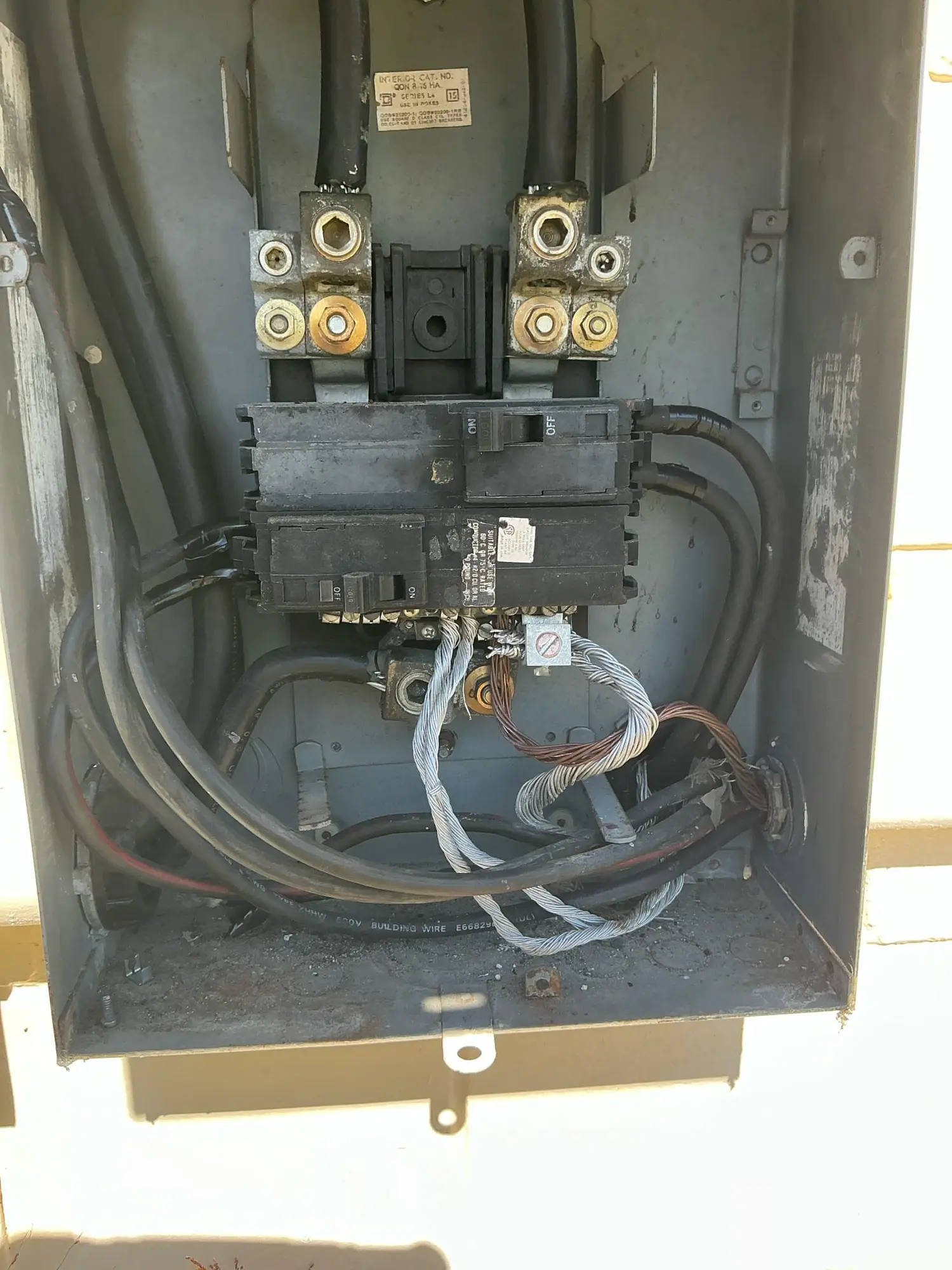
Heat buildup in loose or aging electrical connections creates resistance, wastes energy, and can turn into a serious safety concern.
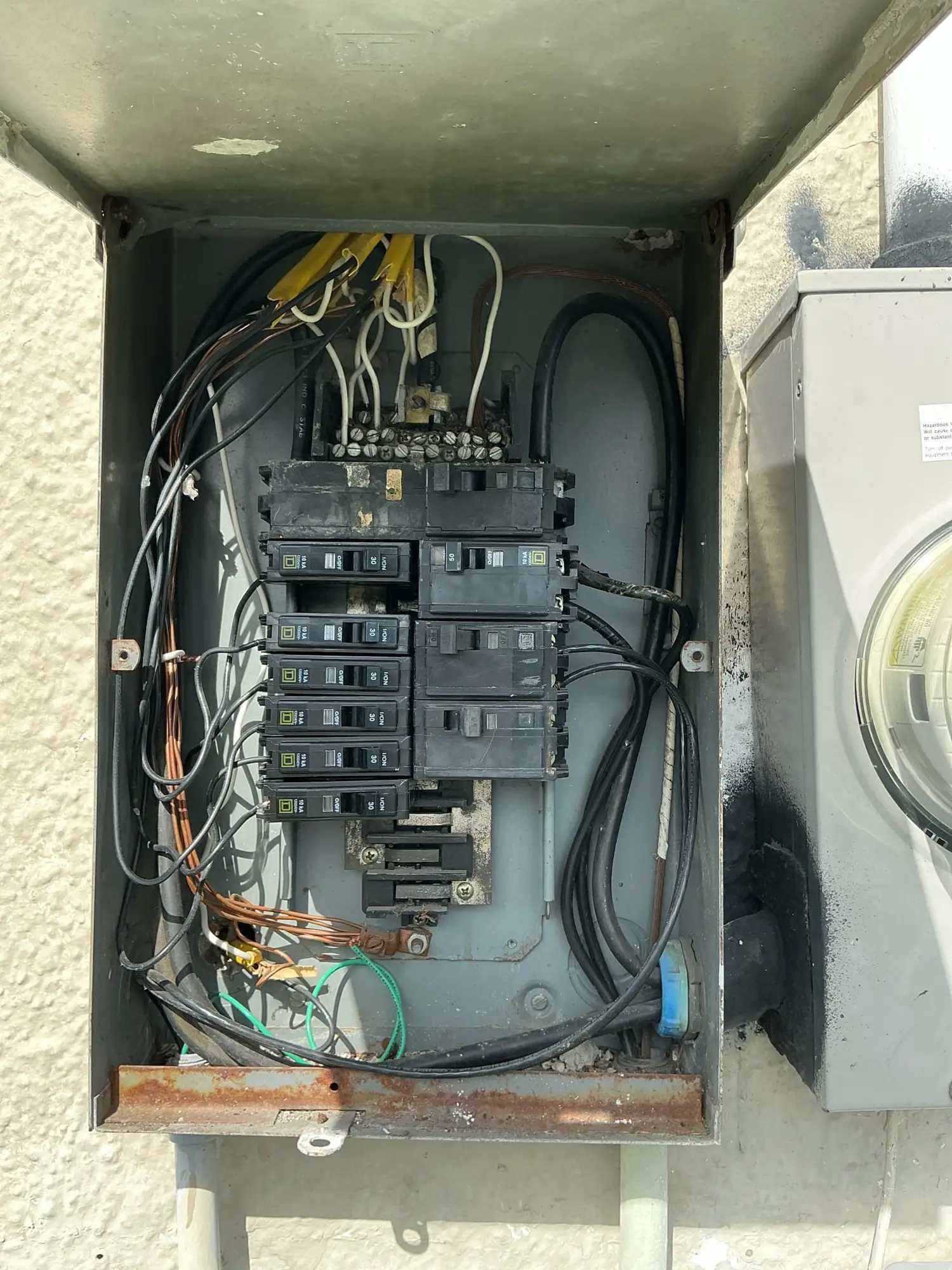
Breakers that keep tripping may be reacting to overloaded circuits, weak connections, or equipment that is no longer keeping up with the home.
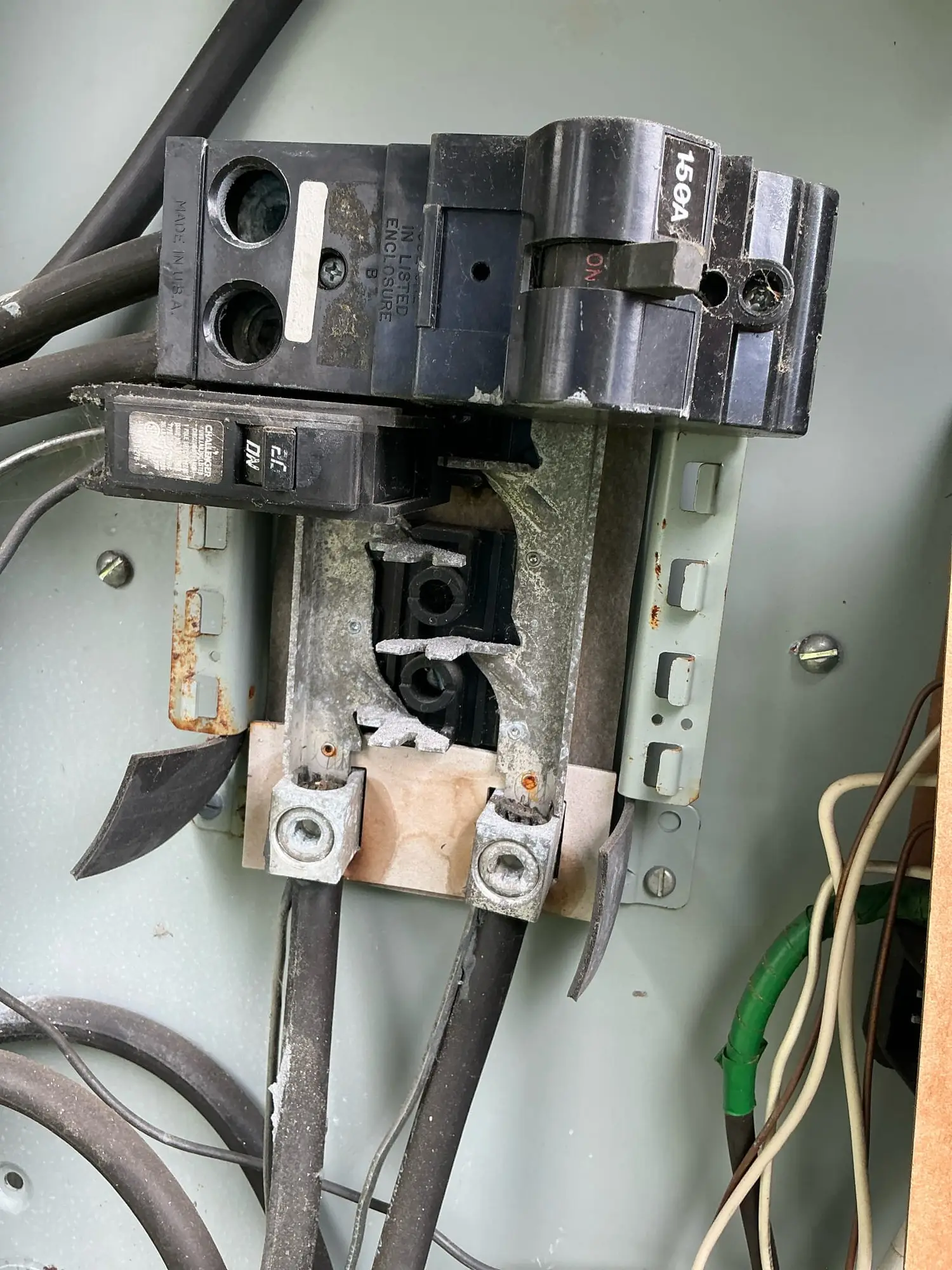
Florida moisture and aging parts can create resistance, poor conductivity, and extra heat inside equipment.
Outdated panels may not be sized or configured for today’s appliance, HVAC, and charging loads.
When repair is not the right answer, replacement can provide safer connections and better capacity.
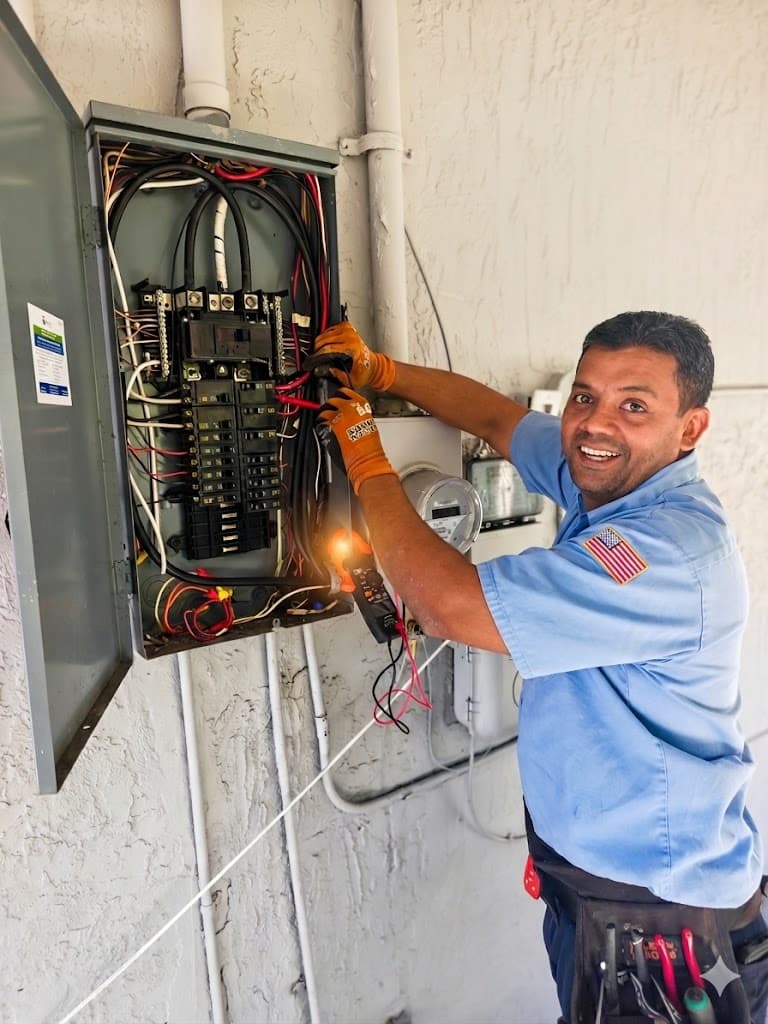
Loose terminals, crowded wiring, or worn breaker connections can create heat and intermittent power before the issue becomes obvious.
Customer feedback
“Both were extremely professional and knowledgeable.”
Carole Romano
Panel safety page testimonial
“Very professional and knowledgeable.”
John Scherer
Homeowner testimonial
FAQ
Yes. Scheduling includes a complimentary Home Safety Check. If repair or replacement is recommended, you review the options and pricing before approving anything.
No. Flickering can come from a circuit, appliance, loose connection, or service issue. The point of the inspection is to diagnose the source before recommending a fix.
Older Federal Pacific, Zinsco, Challenger, and some recalled or obsolete equipment can deserve special attention. A licensed electrician can identify the panel and review the condition.
Yes. Mr. Electric of Winter Haven handles panel repairs, replacements, subpanels, and capacity upgrades for homes with modern electrical needs.
Ready to schedule