01
More affordable backup power
Avoid spending $10,000-$25,000 on a full standby unit when portable backup fits your needs.
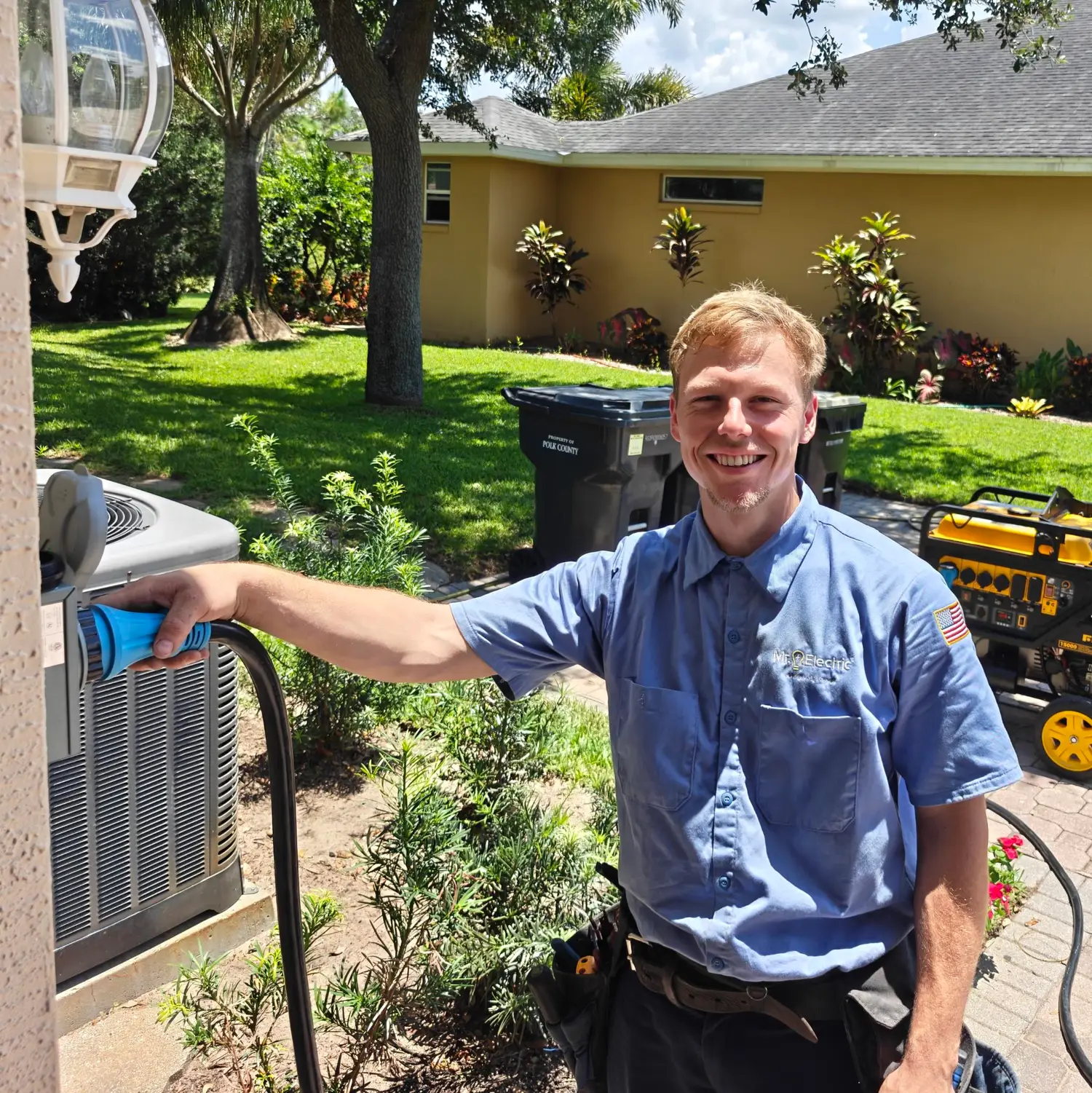
Forget the high cost and upkeep of bulky standby generators. A generator interlock system gives you a simple, flexible way to power your home when the grid goes down.
Backfeeding a home without the right equipment can damage appliances and put utility workers at risk. An interlock is designed to prevent the main breaker and generator breaker from being on at the same time.
An interlock is a practical middle path: lower cost than standby, less maintenance, compact hardware, and flexible use with many 240V portable generators.
Avoid spending $10,000-$25,000 on a full standby unit when portable backup fits your needs.
No permanent generator box, weekly self-tests, monthly fees, or weatherproofing chores.
Use a compatible 240V generator for home outages, jobsite power, or other portable needs.
The interlock is designed to prevent unsafe backfeed into utility lines.
Choose priorities like fridge, lights, outlets, well equipment, or selected cooling loads.
Many installs take 2-4 hours, and the team can handle permits and walkthroughs.
Compare the choice
A standby generator is automatic, but it is much more expensive and needs ongoing upkeep. An interlock is a practical middle path for homeowners who want backup power without a permanent generator box in the yard.
Generator inlet setup
Real field work
See the core pieces of an interlock install: inlet location, panel work, portable generator connection, and the local technicians who walk you through safe operation.
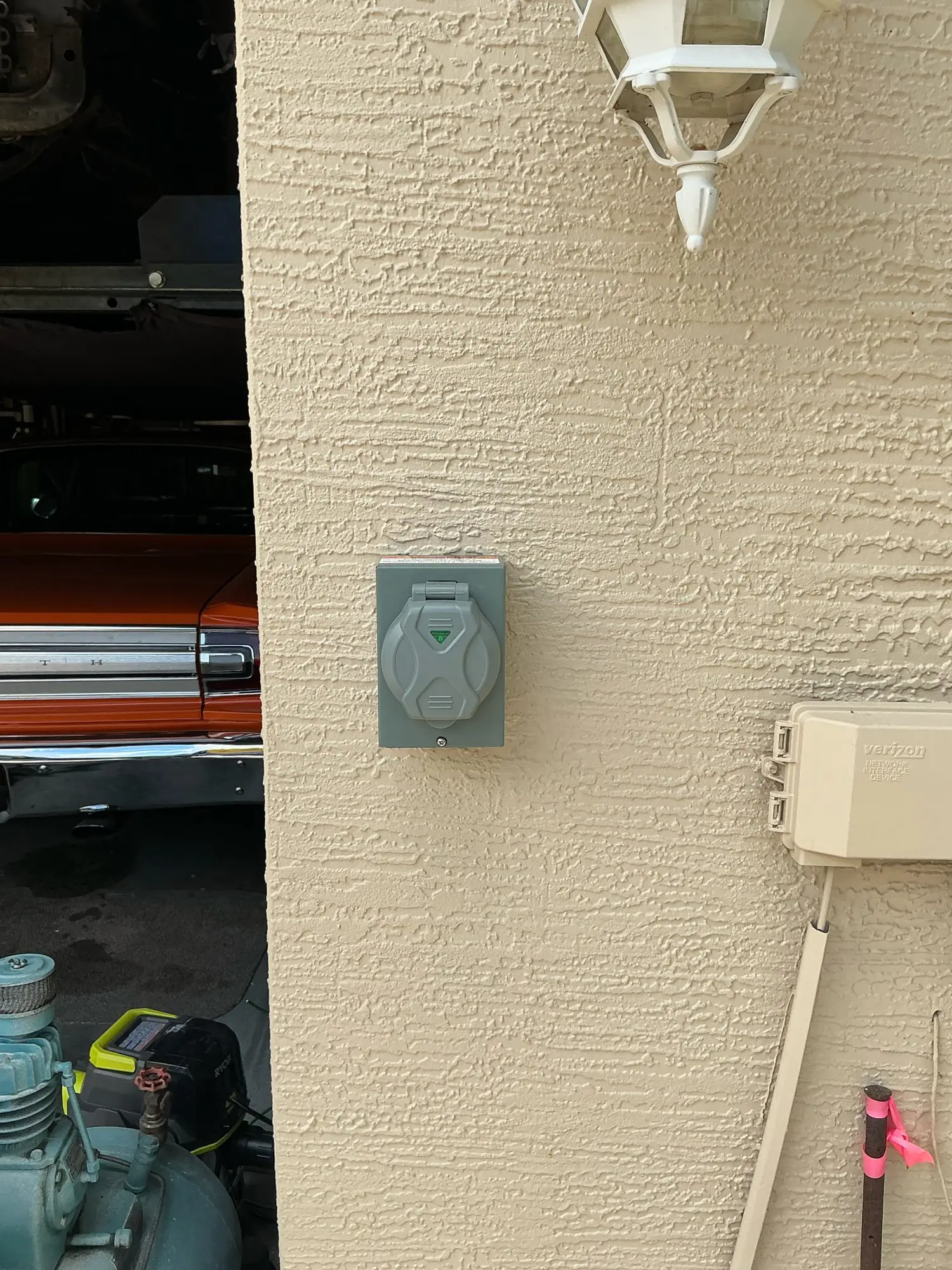
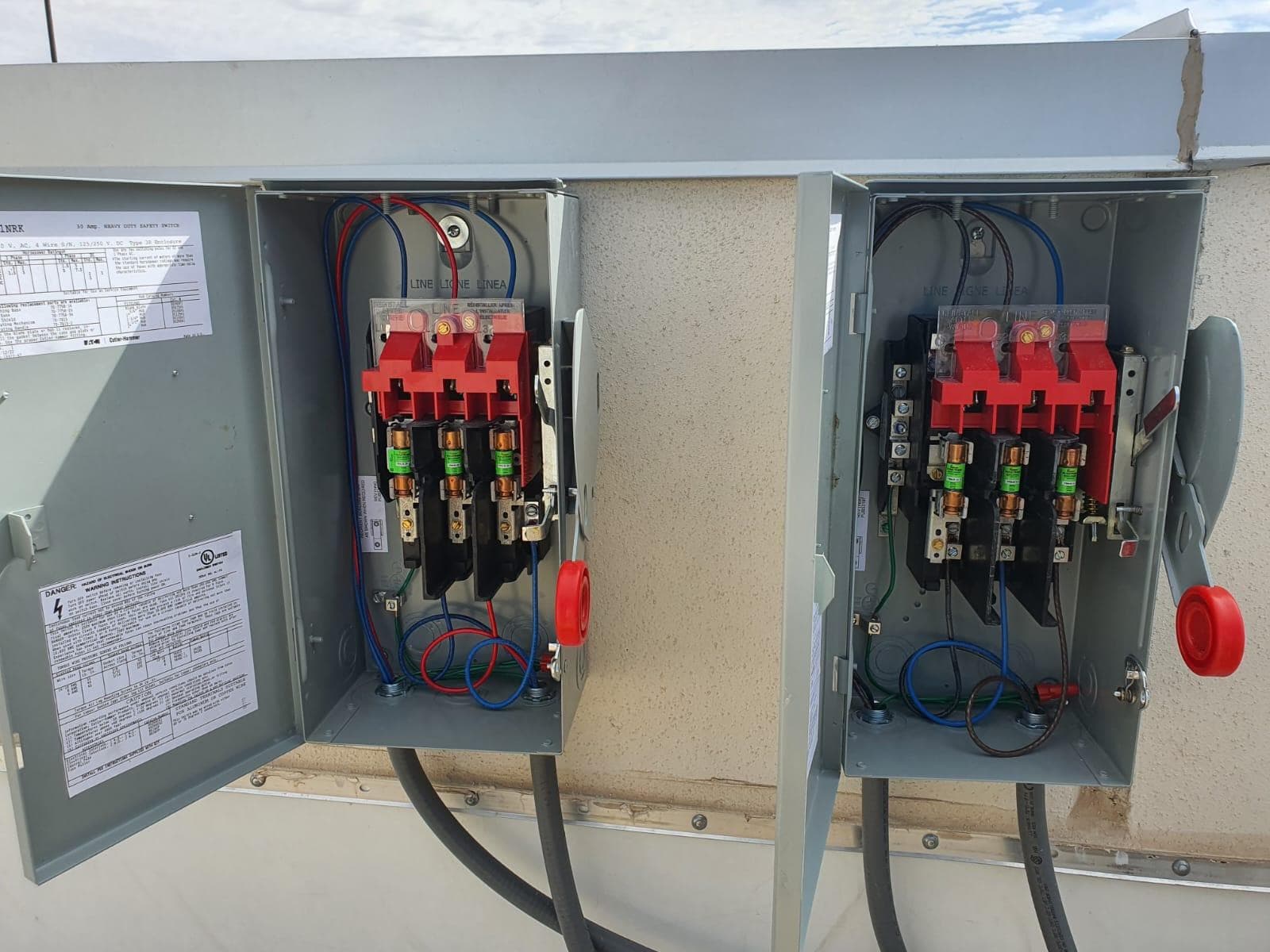
Photo guide
A safe install starts with panel compatibility, the right inlet location, clean breaker placement, and a walkthrough so you know how to use backup power correctly.
A properly placed inlet gives your portable generator a safe connection point outside the home.
The electrician checks breaker space, panel condition, and whether an interlock can be installed cleanly.

A licensed electrician installs the hardware, labels the equipment, and walks you through safe operation.
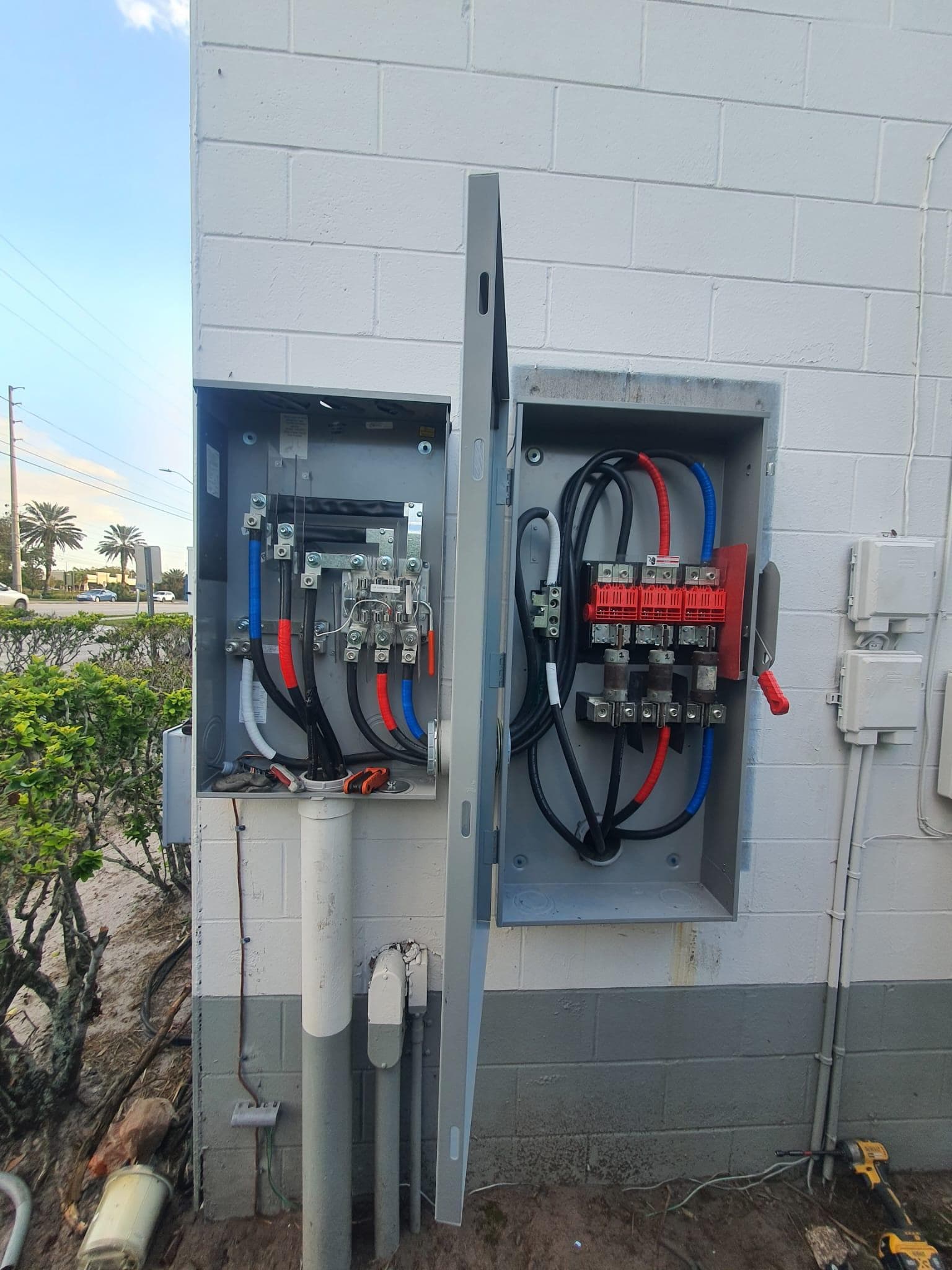
Some homes need exterior service adjustments or cleanups before backup power hardware is added.
Interlock installs depend on clean breaker placement, labeling, and safe equipment access.
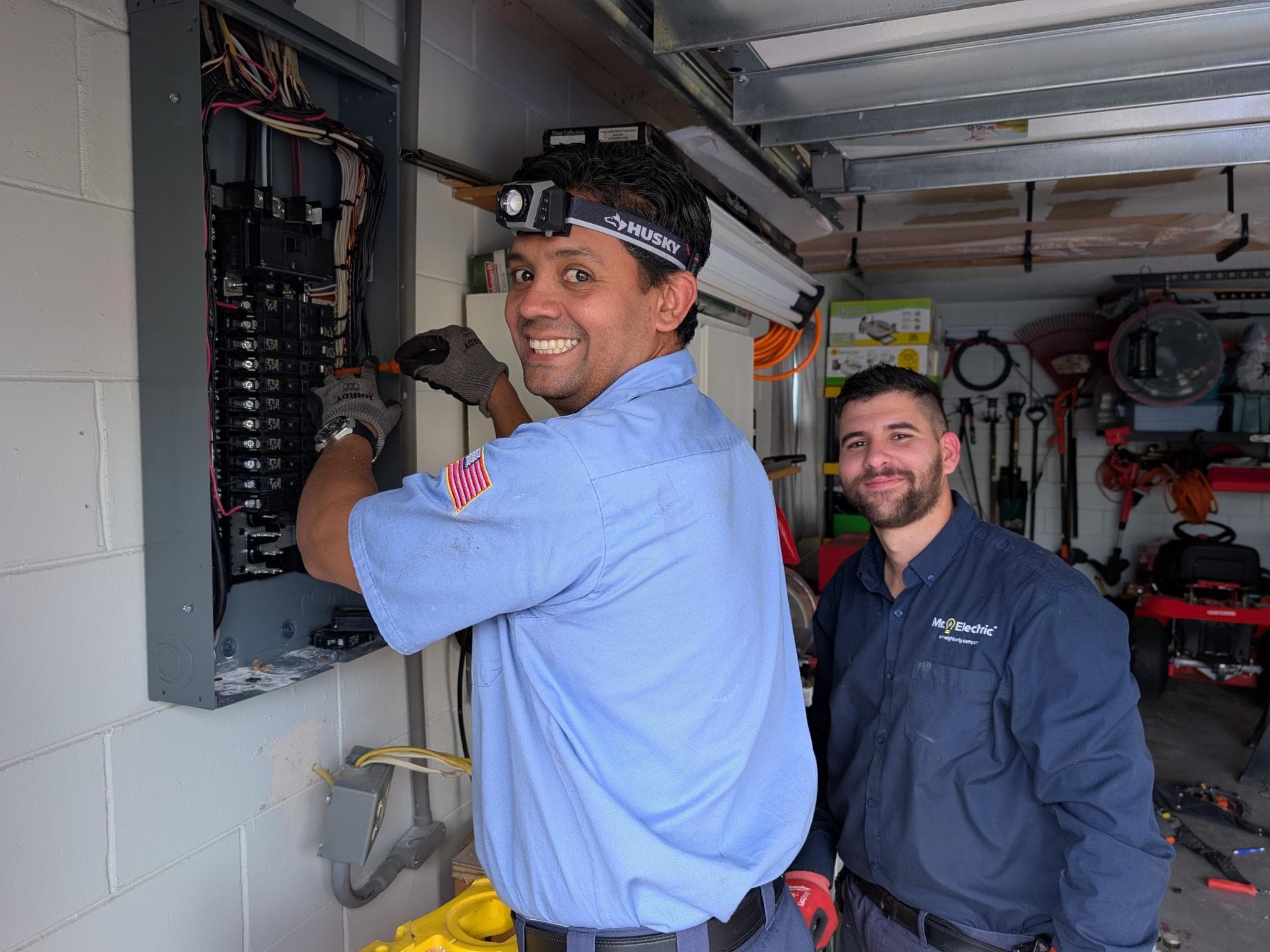
The same panel-service team handles interlock planning, inlet wiring, and homeowner walkthroughs.
Customer feedback
“Super personable and knowledgeable.”
Nayra Duarte
Interlock page testimonial
“Outstanding quality electrical and lighting work.”
Lourdes W.
Customer review
FAQ
It allows a compatible portable generator to feed selected circuits through the panel while mechanically preventing the main breaker and generator breaker from being on together.
Most homes can cover essentials like lights, fridge, outlets, and sometimes smaller cooling loads with a 7,500 to 10,000 watt generator, but the right size depends on your priorities, panel, and equipment loads.
Sometimes, if the generator and wiring setup support the load. A technician can help determine what can be safely powered.
Many interlock kit installs take 2-4 hours. If the panel needs upgrades or a different configuration, the timeline may be longer.
Not always. If your panel supports an interlock and has room for the generator breaker, the install can often proceed without a panel replacement. If not, the team can review upgrade options.
Ready to schedule